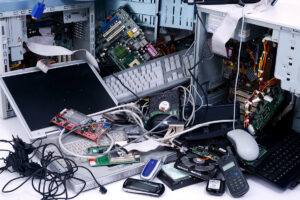
Every retired laptop, server, smartphone, monitor, and network device has an end-of-life story. The question is whether that story ends with responsible recycling or environmental and human harm.
As businesses refresh technology more frequently than ever, the volume of discarded electronics continues to grow at an unprecedented pace. According to the World Health Organization (WHO), e-waste is now one of the fastest-growing solid waste streams in the world, with an estimated 62 million metric tons generated globally in 2022. Yet only 22.3% was formally collected and recycled.
For organizations committed to sustainability, compliance, and corporate responsibility, the implications are clear: how you dispose of end-of-life electronics matters.
What Is E-Waste?
Electronic waste, or e-waste, includes discarded electronic devices such as:
- Computers and laptops
- Servers and data center equipment
- Mobile phones and tablets
- Printers and copiers
- Networking equipment
- Monitors and displays
- Medical and industrial electronics
While these devices often appear harmless, they contain a complex mix of metals, plastics, and chemical compounds that require proper handling at end of life.
Why E-Waste Is a Growing Global Problem
Technology is evolving rapidly, and businesses are replacing equipment faster than ever. At the same time, the world is struggling to keep pace with the volume of discarded electronics being generated. The WHO identifies e-waste as a significant environmental and public health concern because improperly managed electronics can release hazardous substances into the environment.
Many discarded devices are not processed through certified recycling channels. Instead, they may be:
- Dumped in landfills
- Stockpiled indefinitely
- Exported overseas
- Processed through informal recycling operations
- Dismantled using unsafe methods such as open burning or acid leaching
These practices can have devastating consequences for both ecosystems and human communities.
The Environmental Impact of Improperly Disposed Electronics
Soil Contamination
Electronics contain hazardous materials including lead, cadmium, mercury, brominated flame retardants, and chromium. When devices end up in landfills or uncontrolled disposal sites, these substances can leach into surrounding soil.
Contaminated soil can affect plant growth, harm wildlife, and introduce toxic substances into the food chain. Crops grown in contaminated areas may absorb harmful compounds that ultimately reach human populations.
Water Pollution
Improper disposal can also contaminate groundwater, rivers, lakes, and oceans. Rainwater moving through landfill sites can carry toxic chemicals into nearby water systems. Once these pollutants enter aquatic ecosystems, they can accumulate in fish and other wildlife.
Some contaminants are difficult to remove through conventional water treatment processes, creating long-term risks for both environmental and public health.
Air Pollution
One of the most dangerous informal recycling methods is open burning, often used to recover valuable metals from electronics. Burning cables, plastics, and components releases toxic fumes, heavy metals, and dioxins into the atmosphere. The WHO specifically identifies open burning as one of the most hazardous e-waste processing activities because of the pollutants it produces.
These pollutants can travel well beyond the original disposal site, affecting communities far from where the waste originated.
The Human Health Impact of E-Waste
The environmental consequences of e-waste are significant, but the human health implications may be even more alarming.
According to the WHO, informal and unsafe recycling activities can expose workers and nearby communities to as many as 1,000 different chemical substances, including lead, mercury, and dioxins.
Children Face the Greatest Risks
Children and pregnant women are especially vulnerable to e-waste exposure. The WHO reports that toxic substances released through improper recycling can contribute to:
- Neurodevelopmental and behavioral problems
- Learning difficulties
- Reduced lung function
- Increased asthma rates
- Premature birth and other adverse neonatal outcomes
Children may also be directly involved in waste picking, dismantling electronics, or recovering materials in informal recycling operations.
In many parts of the world, poverty and weak enforcement of environmental regulations create conditions where unsafe e-waste processing becomes a source of income despite its risks.
The Hidden Impact of Overseas E-Waste Exports
One of the less visible aspects of the global e-waste challenge is the export of unwanted electronics to developing countries.
When electronics are sold to poorly vetted downstream vendors or low-cost processors, there is a risk that devices will be shipped to regions with weaker environmental protections and worker safety standards. There, they may be dismantled using unsafe methods that expose workers and surrounding communities to hazardous materials.
This is why businesses should look beyond cost when evaluating electronics recycling partners. The quality of end-of-life management decisions can have consequences that extend far beyond local operations.
Why Certified Electronics Recycling Matters
Not all recyclers operate under the same standards.
Certified electronics recyclers are required to follow rigorous processes designed to protect human health, environmental resources, and data security. Independent certifications establish accountability, transparency, and responsible downstream management practices.
Working with a certified recycler helps organizations:
- Ensure environmentally responsible processing
- Prevent improper export of hazardous materials
- Improve regulatory compliance
- Support sustainability goals
- Maintain auditable documentation
- Protect corporate reputation
Perhaps most importantly, certification helps verify that retired electronics are managed responsibly throughout the entire disposition process, not just when they leave your facility.
Why Businesses Have a Responsibility to Act
Every business relies on technology. That means every business generates retired technology.
The decisions organizations make about end-of-life electronics can either contribute to the growing global e-waste problem or become part of the solution. Responsible recycling helps recover valuable materials, reduce pollution, conserve natural resources, and protect vulnerable communities from unnecessary exposure to hazardous substances.
Sustainability is no longer simply about checking a compliance box. It’s about making choices that protect people, communities, and the environment while supporting long-term business objectives.
The Bottom Line
Improperly disposed electronics can contaminate air, water, and soil while exposing workers and communities to dangerous substances. The consequences are global, affecting environmental health, public health, and social equity.
The good news is that businesses have the power to make a difference.
By recycling end-of-life electronics and choosing a certified recycling partner, organizations can help reduce environmental harm, protect human health, safeguard their reputation, and contribute to a more sustainable technology lifecycle.
Sources: